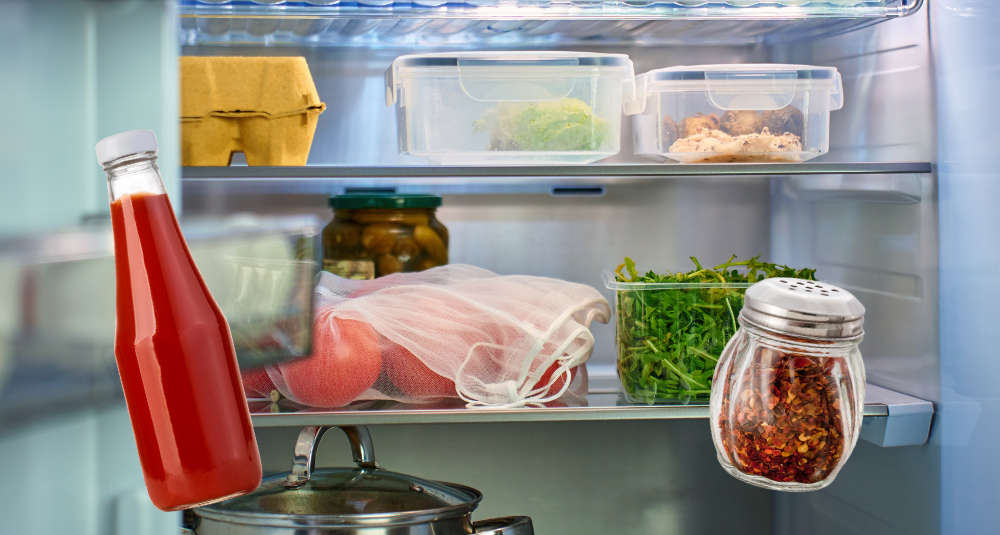

One of the biggest debates in kitchens everywhere is whether certain foods belong in the refrigerator or the pantry. Some people refrigerate almost everything after opening it, while others leave items on the counter without a second thought.
According to food storage experts, refrigeration is about more than just keeping food fresh. It also helps slow microbial growth, reduce chemical reactions, and preserve nutritional quality in certain foods.
Here’s a breakdown of what should — and shouldn’t — go in the fridge.
Foods You Should Refrigerate
Some foods last longer and maintain better quality when stored cold, even if many people traditionally leave them in the pantry.
- Ground spices: Refrigeration can help preserve flavor and potency longer.
- Whole-grain flour: Because it contains natural oils, it can spoil faster at room temperature.
- Jarred pesto: Once opened, experts recommend refrigerating it and using it within about three days.
- Nuts: Storing nuts in the refrigerator can help prevent the oils from turning rancid.
- Prepared horseradish: Cold storage helps maintain both flavor and freshness.
- Tortillas: Refrigeration can help extend shelf life and prevent mold growth.
Foods That Don’t Need Refrigeration
Other foods are stable enough to safely stay in the pantry after opening.
- Ketchup
- Soy sauce
- Honey
- Bread
Experts say these foods generally contain enough acidity, sugar, or preservatives to remain safe at room temperature.
Foods That Depend on the Label
Some items can go either way depending on ingredients and manufacturer recommendations.
Hot sauce is one example. Certain varieties are shelf-stable, while others may recommend refrigeration after opening to preserve flavor and color. The best rule is to check the packaging instructions.
What About Coffee and Chocolate?
Storage matters here too.
Experts generally recommend keeping coffee and chocolate in cool, dry places rather than the refrigerator. Moisture and temperature fluctuations can affect flavor and texture.
The Bottom Line
When deciding between the fridge and pantry, there’s no one-size-fits-all answer. Different foods have different safety and quality needs.
A good rule of thumb is to:
- Follow package instructions
- Pay attention to moisture and oil content
- Refrigerate foods that spoil quickly after opening
- Store pantry staples in cool, dry areas
Proper food storage can help reduce waste, maintain flavor, and keep foods safe to eat longer.